importateur de fruits secs bio

Our Fairtrade & organic coconut supply chain from Sri Lanka

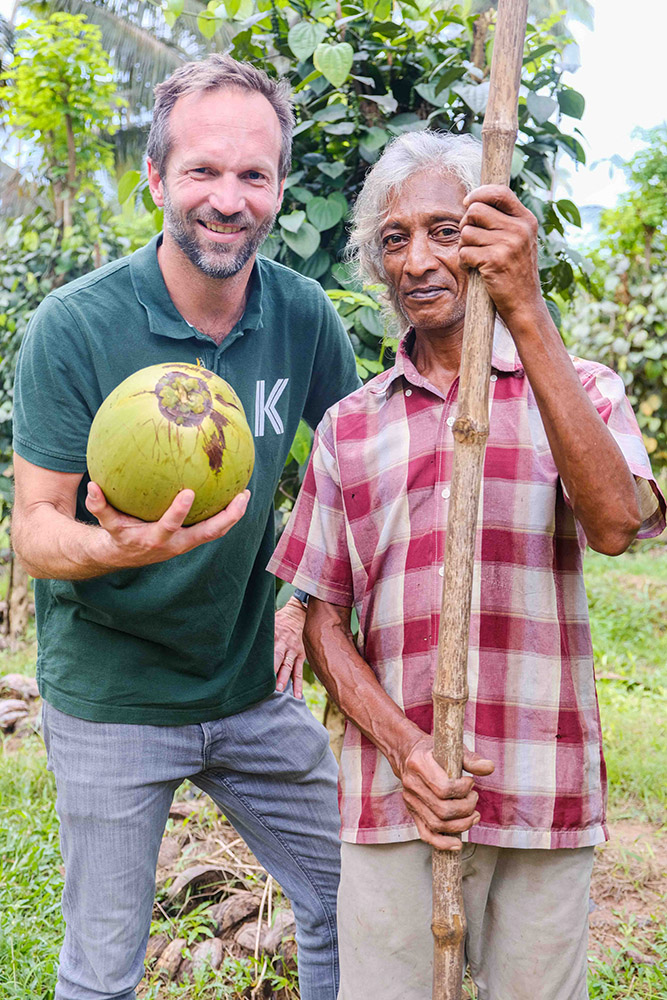
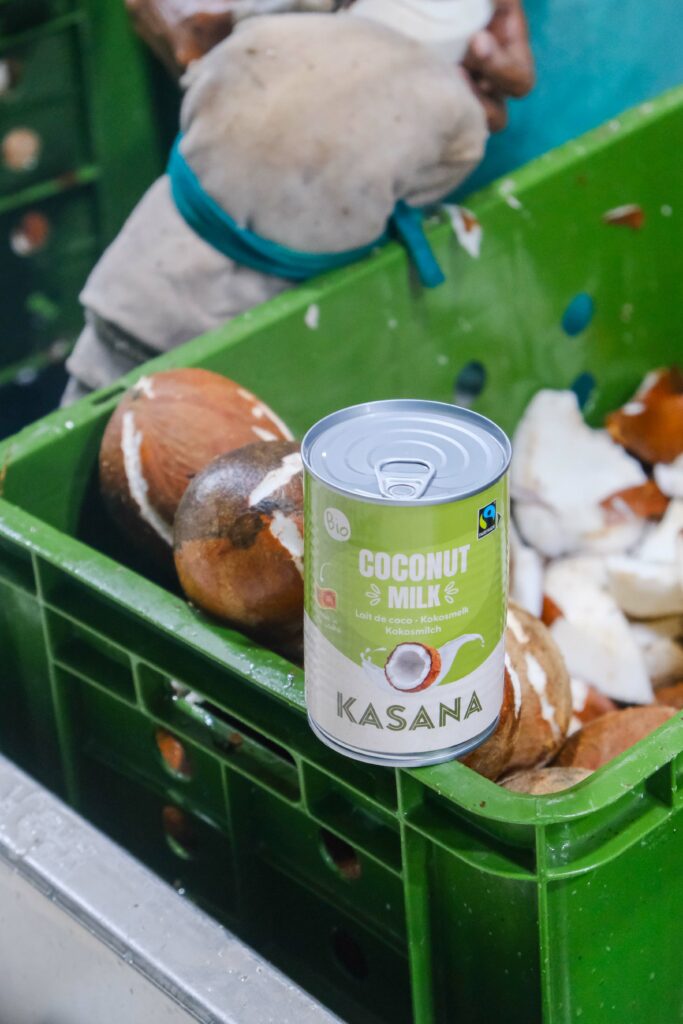
Our coconuts come from small family farms in Sri Lanka, where coconut trees are part of both the landscape and everyday life. We have chosen to work with a local Fairtrade-certified partner who has been strongly committed to small-scale farmers for many years. Their supply chain focuses on local processing and concrete social projects, and is fully aligned with KASANA’s values.

THE CHALLENGES OF THE COCONUT SUPPLY CHAIN

Coconut is a cornerstone of the Sri Lankan economy. The country is among the world’s largest producers, and thousands of families depend directly on this crop for their income.

It is also a highly versatile resource. From a single coconut you can produce oil, milk, cream, sugar, coconut flour, as well as cosmetics and handcrafted products.

In this context, a well-structured supply chain is essential to secure stable incomes for farmers, encourage sustainable farming practices and ensure decent working conditions.

WHY FAIRTRADE?

Abuses in the coconut sector are still widespread: precarious working conditions, low pay for farmers, child labour and even the use of monkeys for harvesting in some countries. Without strict controls, these practices can easily continue.

To avoid this, we work with a Fairtrade-certified partner in Sri Lanka. This certification ensures that our supply chain meets demanding standards: a guaranteed minimum price for farmers, a ban on child and forced labour, decent working conditions and sustainable farming practices.

THE COCONUT FARMERS

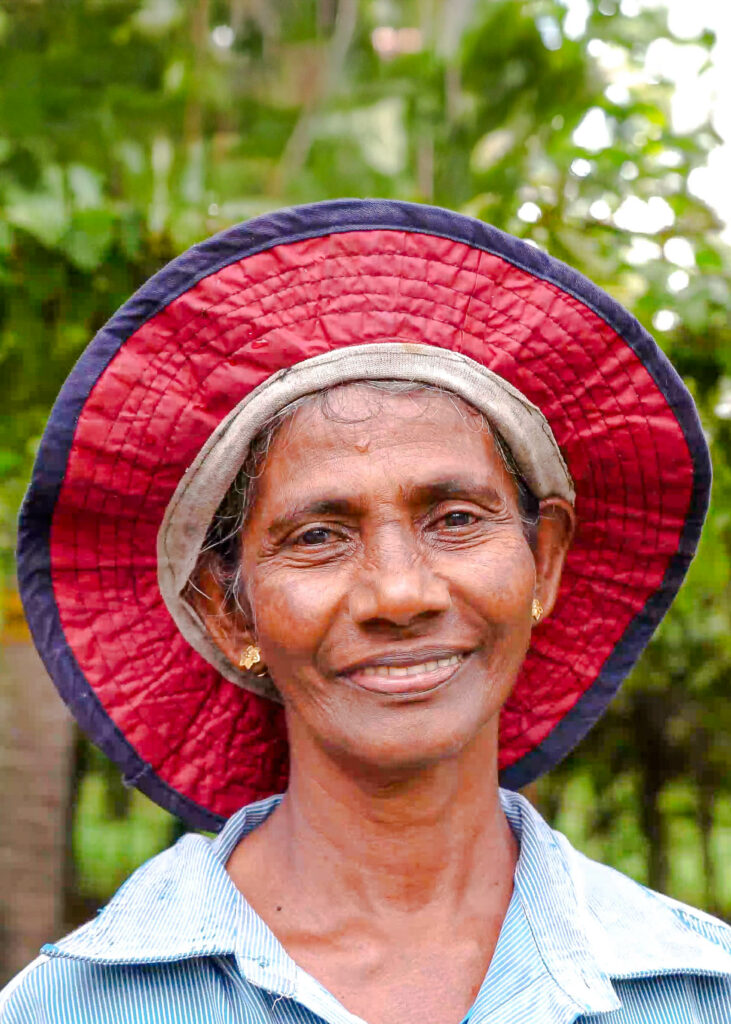
The coconut supply chain is largely built on small family farms. Often isolated, with little bargaining power over prices or working conditions, these farmers are particularly vulnerable to market fluctuations.

Our local partner works with around 3500 producers and helps secure their income through fair prices guaranteed under Fairtrade certification.

To strengthen the supply chain over the long term, they have put several measures in place, including:

  • guaranteed minimum prices and an organic premium

  • training in organic farming and agroforestry

  • access to microcredits and material support in the villages

SUSTAINABLE FARMING PRACTICES

In some regions, intensive coconut monocropping has depleted the soil and reduced plant and wildlife diversity.

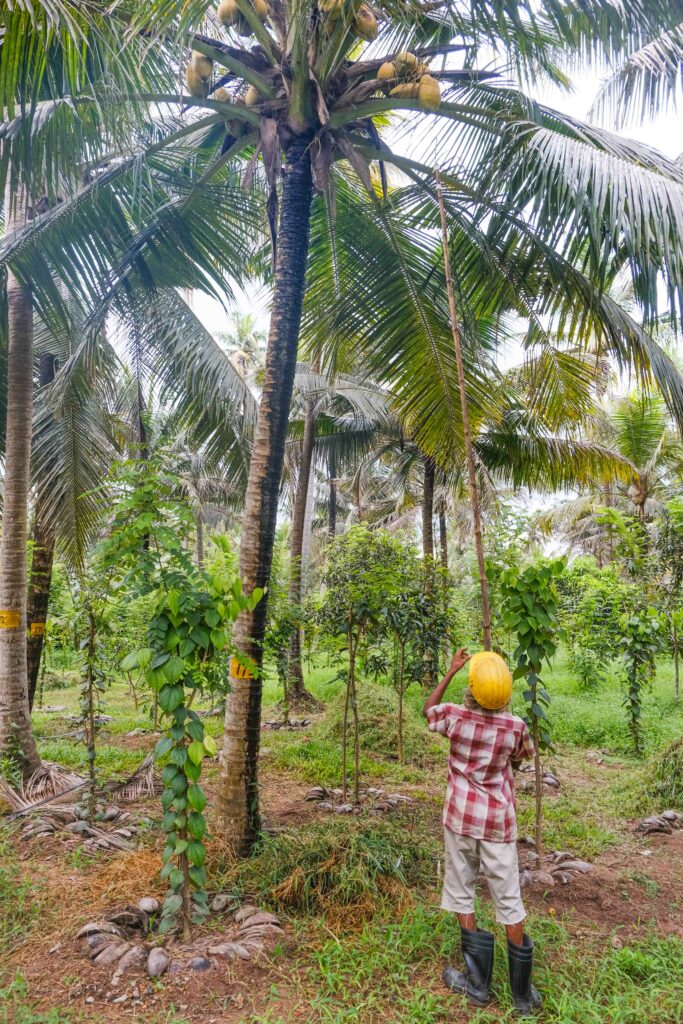
To avoid this, our farmers use agroforestry, growing crops such as pineapple, cassava or pepper beneath the coconut trees. The result is healthier soils, more resilient plantations in the face of climate challenges and a better preserved ecosystem overall.

LOCAL PROCESSING

Added value and job creation
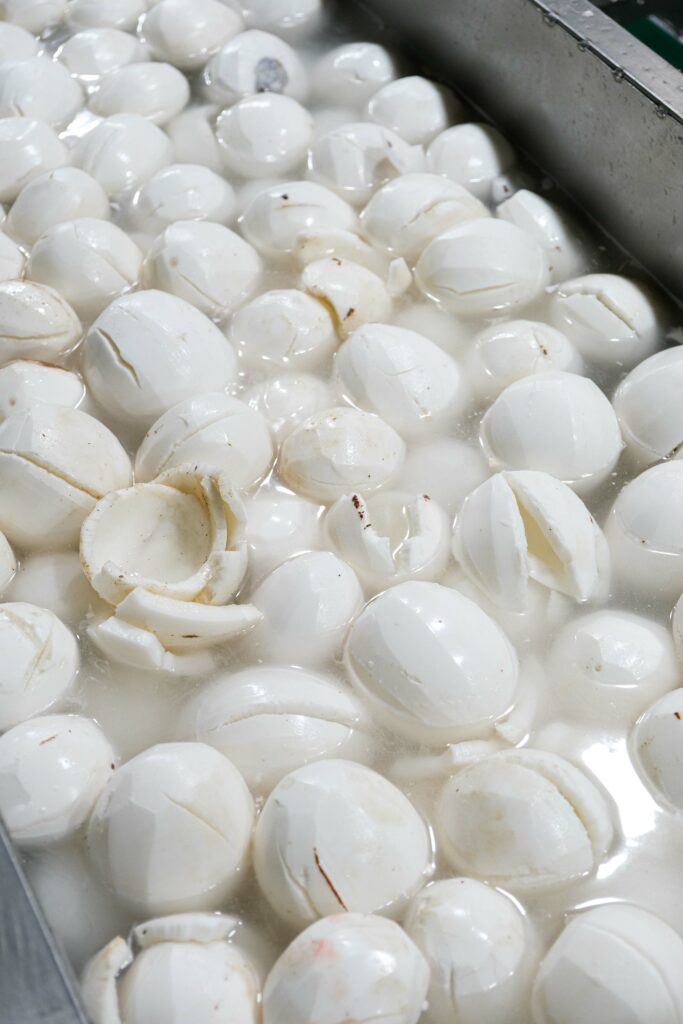
Our coconuts are processed directly in Sri Lanka into finished products such as coconut milk and cream, coconut sugar, desiccated coconut and coconut oil. This local processing step creates jobs and supports the local economy.

Waste and by-product valorisation
The supply chain follows a “zero waste” approach: shells are used to make charcoal or handicrafts, the remaining pulp is dried into desiccated coconut, and the residues from oil production are turned into coconut flour. This limits waste, diversifies products and further strengthens local employment.

A STRONG COMMITMENT TO LOCAL COMMUNITIES

Beyond working with farmers, our partner supports several social projects that address essential needs of nearby communities in terms of food, healthcare and education.

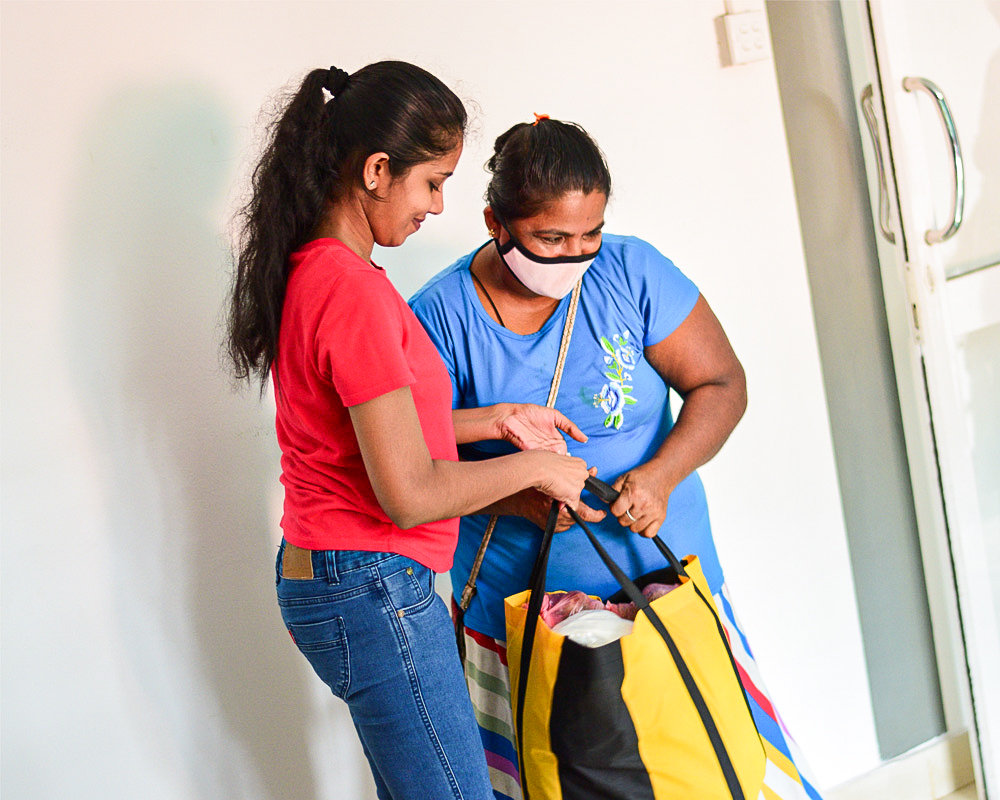
Food parcels are distributed to the most vulnerable families, free medical consultations are organised for workers and villagers, and a scholarship programme helps children from low-income families stay in school, with additional support in school supplies and clothing.

DISCOVER THE KASANA COCONUT RANGE